1. Think in net yield, not gross rent
A Miami condo can look attractive on rent alone and disappoint once costs are counted. Net yield = annual rent minus HOA or condo fees, property tax (roughly 1.6–2.2% of assessed value), insurance, management (often 8–12% of rent for long-term leases, more for short-term), vacancy, maintenance and any special assessments — divided by your total purchase cost.
In many Miami condos, gross yields in the mid single digits shrink noticeably after fees. The best investments usually combine reasonable fees, a building that permits flexible leasing and strong tenant demand.
2. Where rental demand is strongest
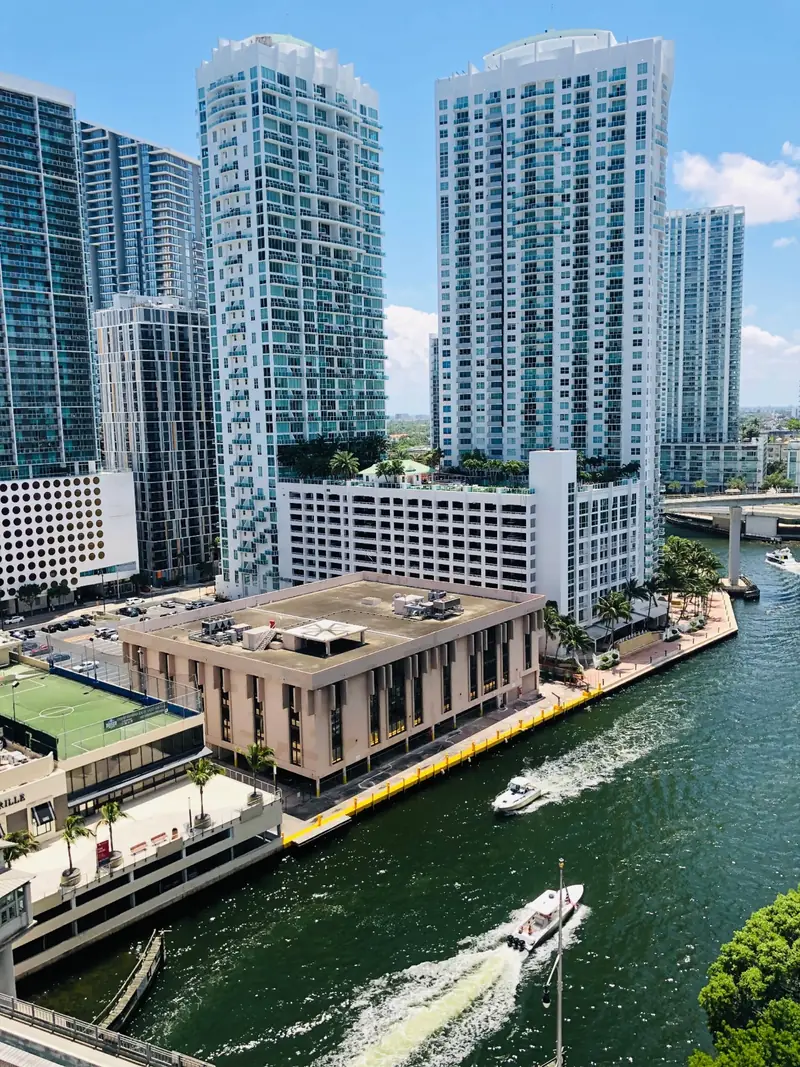
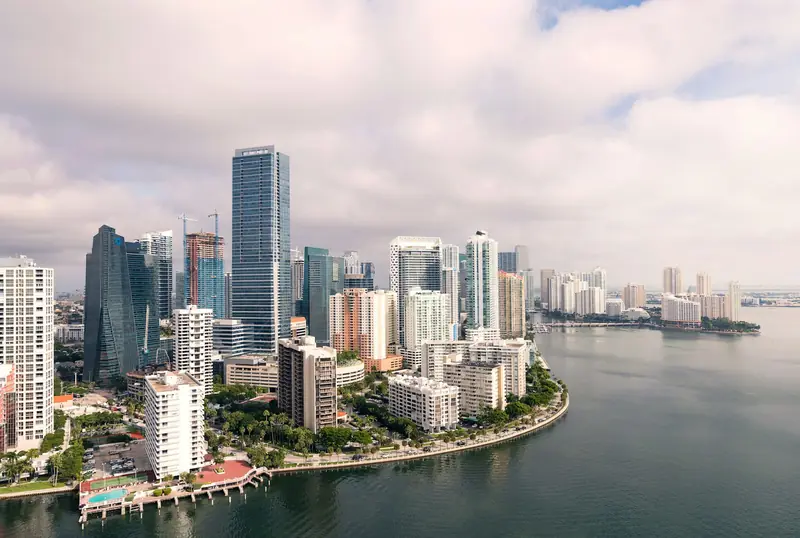
Brickell and Downtown are often cited as the strongest rental markets thanks to jobs, walkability and buildings that allow shorter leases. Edgewater and Wynwood draw tenants who work nearby. Sunny Isles, Hallandale and Hollywood benefit from seasonal and beach demand, while Doral and Pembroke Pines perform well on long-term leases.
3. Short-term rental regulations (Airbnb)
Three layers decide whether you can rent short-term: state, city and building. Florida requires a vacation-rental license from the DBPR for rentals under 30 days offered more than three times a year, plus state sales tax and local tourist taxes on each stay.
Cities add their own rules: Miami Beach prohibits rentals shorter than six months in most residential zones; the City of Miami allows short-term rentals only where zoning permits and with city registration; Fort Lauderdale and many Broward cities require local vacation-rental registration and inspections. Finally, the condo or HOA documents may ban short-term leases altogether — and they override everything else. I confirm all three before you make an offer.
4. Multi-family properties
Duplexes, triplexes and fourplexes can be financed with residential loans; five units and more usually require commercial financing. Small multi-family buildings are found in parts of Miami, Hollywood, Fort Lauderdale and other older neighbourhoods. Due diligence includes the rent roll, leases, certificates of use, code violations, roof and insurance.
5. Pre-construction as an investment
Buying before completion can lock in today's price with staged deposits. Risks include delivery delays, final HOA fees higher than projected, rental restrictions and supply when many similar units deliver at once. I compare developers, contracts and resale history of their past projects.
Read more: HOA & special assessments →
This guide is general information, not legal or tax advice. Laws and programs change — confirm details with a Florida attorney and a US tax professional.