1. Set the budget and the real monthly cost
Start from the total monthly cost, not only the price: mortgage (if any), property tax, building insurance share, your own condo (HO-6) insurance, flood insurance where required, and the monthly HOA fee. In Miami the HOA fee is often a large part of the cost, so compare buildings by total monthly cost. Use the calculator on this site for an estimate.
2. Choose the area and the building
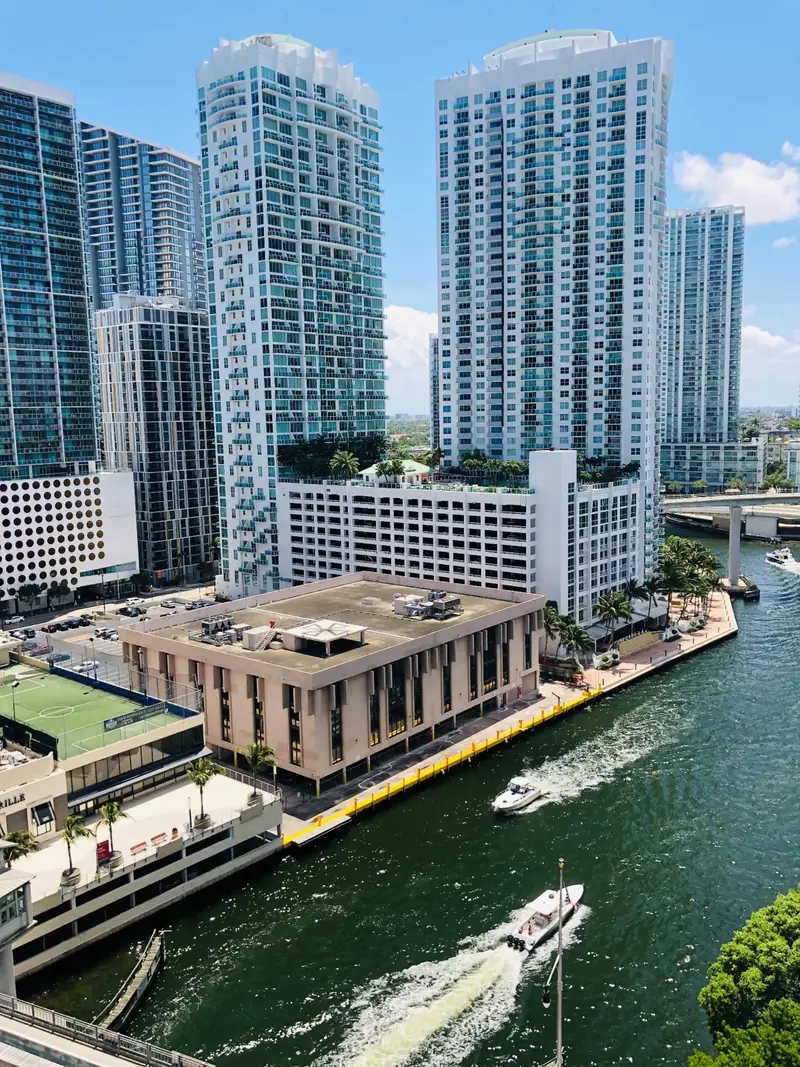
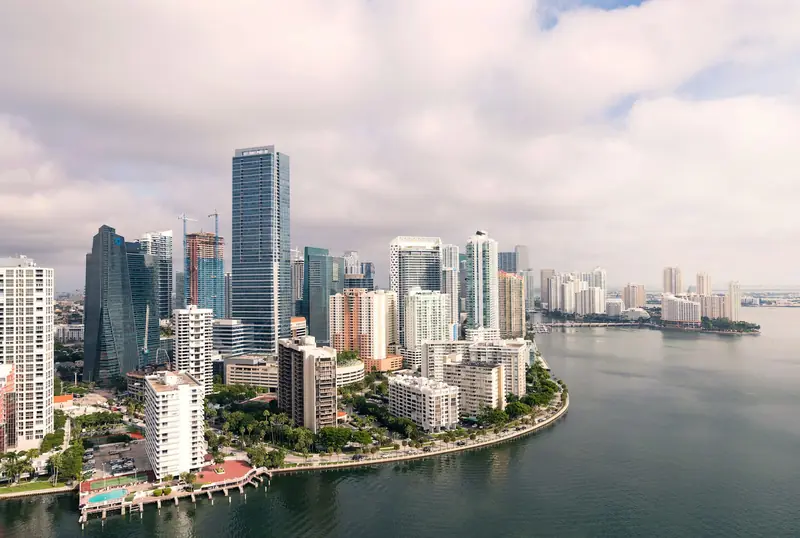
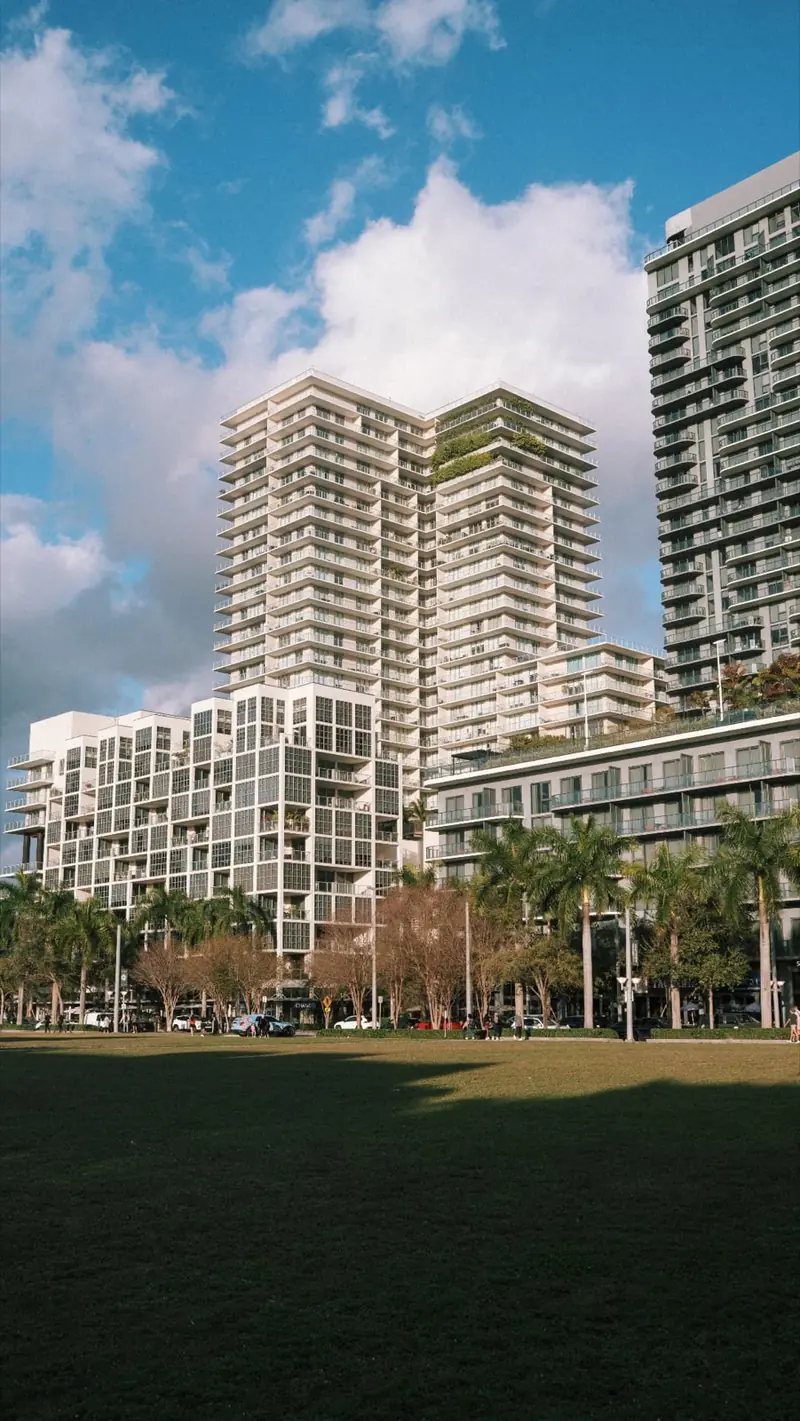
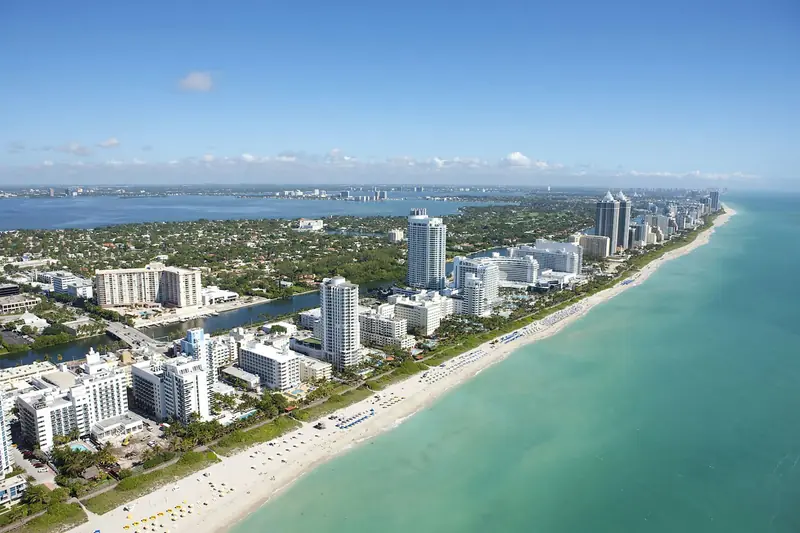
Miami is a collection of very different areas: Brickell and Edgewater for city life, Miami Beach and Sunny Isles for the ocean, Aventura for a calm family-friendly setting with shopping. Then look at the building itself: age, reserves, planned special assessments, rules on rentals and pets, and the history of repairs. Our neighborhood guides and the search page help you narrow it down.
3. Decide how you pay
You can pay in cash, or use a mortgage. Foreign buyers usually need a larger down payment, commonly 25–40% of the price, and rates are higher than for US residents. Get a pre-approval letter (or proof of funds for cash) before you make offers — sellers take offers with proof of funds seriously.
4. Make an offer and sign the contract
Your agent prepares the purchase contract with the price, deposit, inspection period and closing date. A deposit is usually paid into the title company or attorney escrow account after the contract is accepted. The standard 'as is' Florida contract gives you a short inspection period in which you can cancel for any reason, so use it.
5. Review the condo documents and inspect
For a resale condo you receive the association documents: budget, reserves, minutes, rules and any planned special assessments. Florida law gives buyers a short window to cancel after receiving them. Since the 2021 Surfside collapse, older buildings must pass milestone inspections and have reserve studies, so ask for these reports and read them with your attorney or agent.
6. Closing: costs and timeline
Cash purchases can close in two to four weeks; a mortgage typically takes 30–45 days. Buyer closing costs vary with the loan, but a rough planning figure is 2–5% of the price. With a mortgage Florida also charges documentary stamp tax on the note and intangible tax, together roughly 0.55% of the loan amount. Seller-side costs and the owner's title policy follow county custom, so ask your agent how it works for the building you choose.
7. After closing
Set up the HOA payments, utilities, insurance and a local property manager if you will rent the unit out. Remember that many buildings restrict short-term rentals and require approval for tenants.
This guide is general information, not legal or tax advice. Laws and programs change — confirm details with a Florida attorney and a US tax professional.